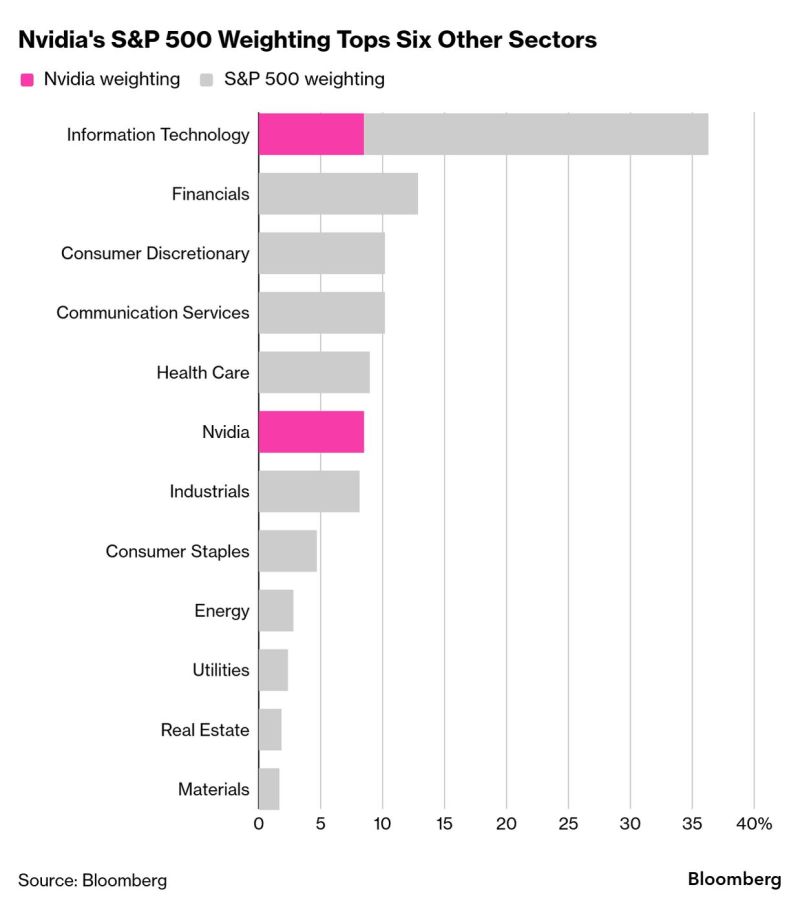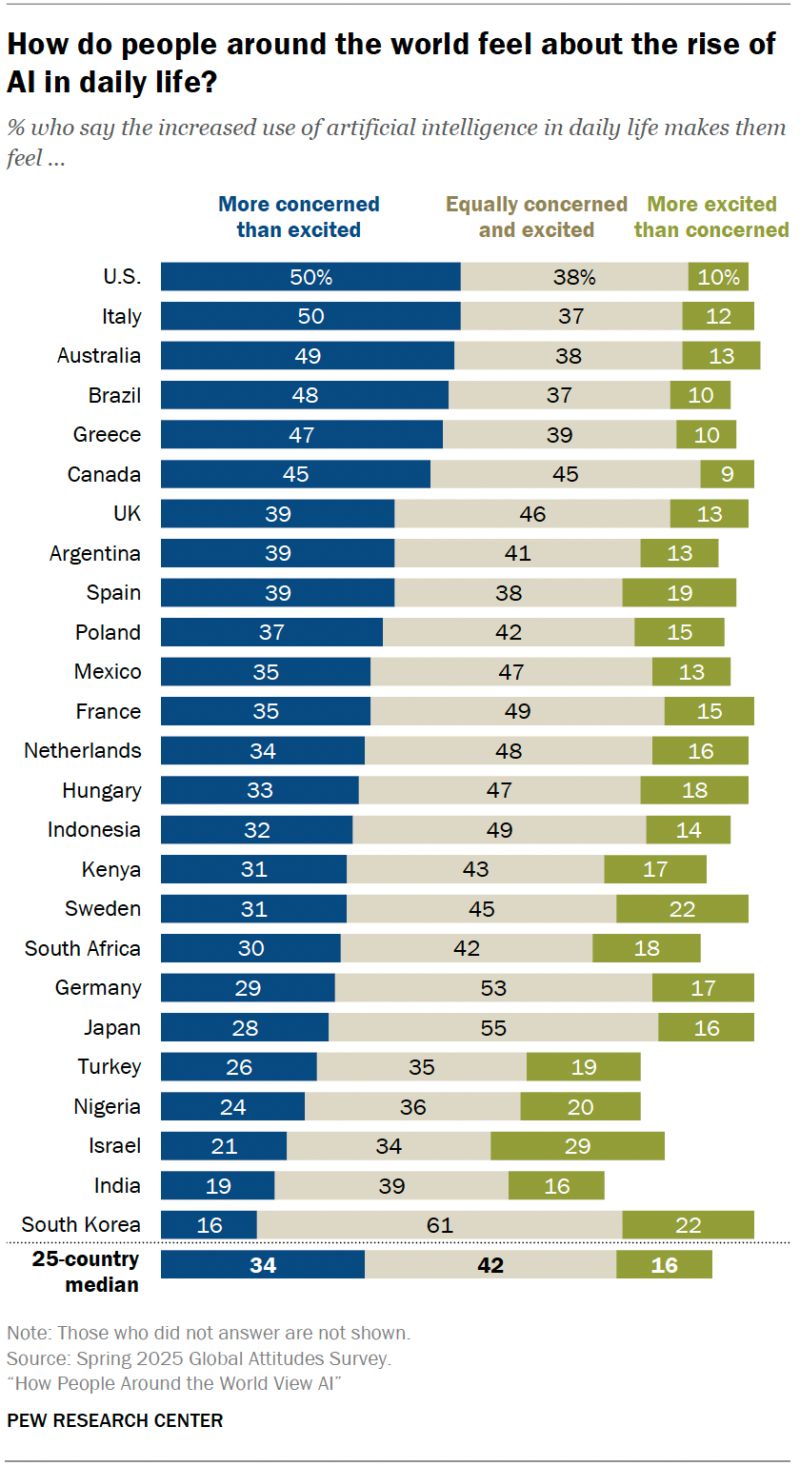
In a recent spate of audiences booing speakers talking about AI, and research saying that roughly half the population is more concerned than excited about the technology, Dr Daniel King argues that it's not hard to understand why. A shotgun approach by organisations, embedding AI into everything before it was ready, has produced hallucinations, friction, and fatigue. What we see from our customers is that AI's quiet believers, around 10-13% of employees, aren't the loudest voices but in the room but they're the ones benefiting from AI that works invisibly, surfacing insight that wasn't previously possible. AI doesn't need to announce itself to be valuable. With AI working behind the scenes, carefully managed and developed by humans, everyone wins.

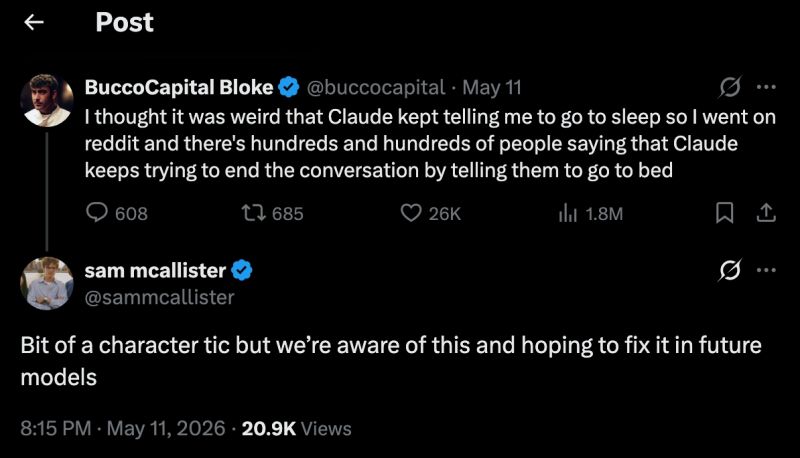
If you’re seeing a growing goblin obsession in ChatGPT or Claude keeps telling you its bedtime, it is largely a result of generality vs. specificity in LLMs. Dr Daniel King deciphers the inverse relationship between these and potential unintended outcomes. Another great insight.
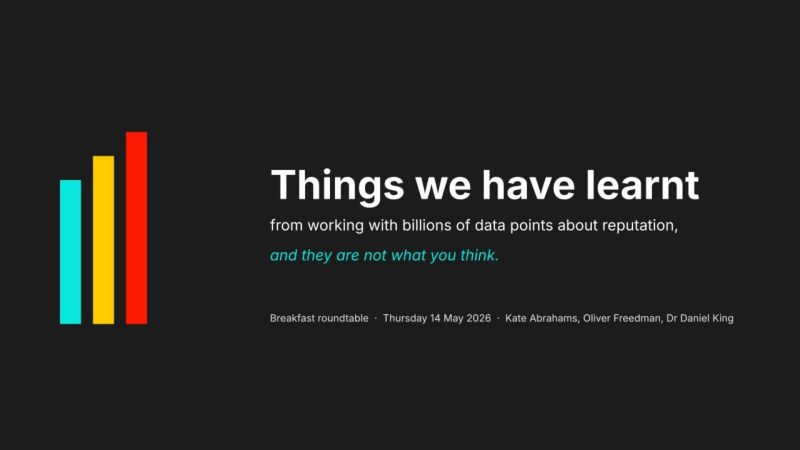
Traffyk hosted a breakfast with senior executives and corporate affairs leaders on the most impactful drivers of reputation. It fuelled a really lively discussion, and it was interesting to see the data on internal signals being the most predictive of reputation.
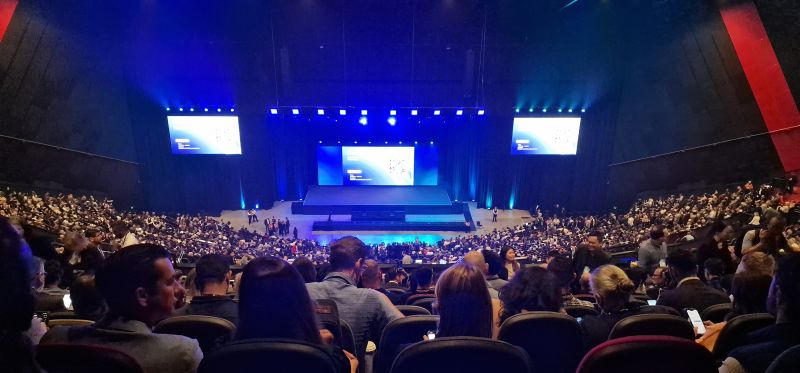
Dr Daniel King argues that real productivity isn't unlocked by taking humans out of the loop and leaving it all to AI. But rather using subject matter experts together with AI experts to define "What looks good". That thinking "Looks Good To Me."

Dr Daniel King argues the point for diversifying AI suppliers, what might seem efficient at the outset, soon reveals to be fraught with issues from concentrating around one provider.
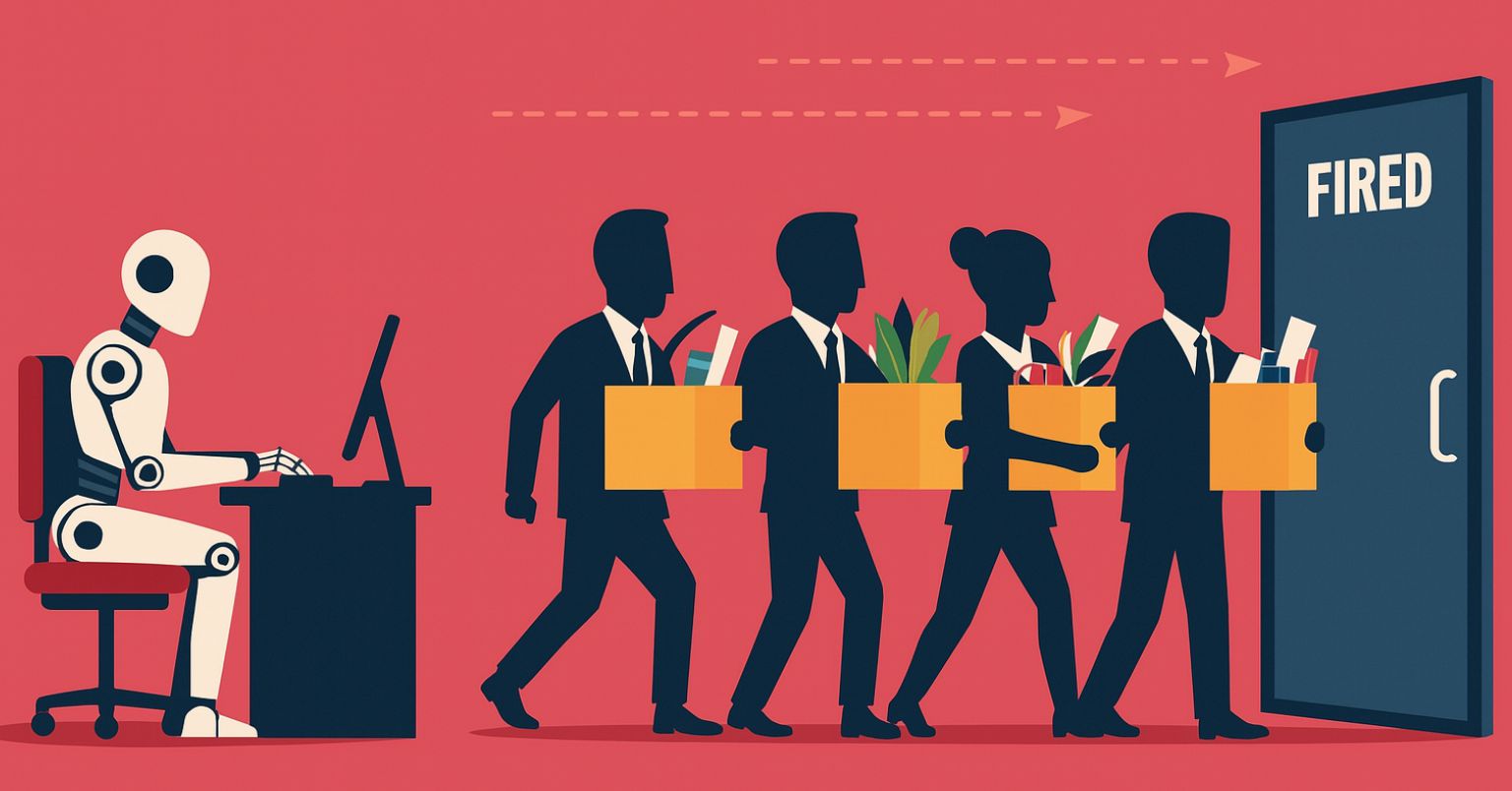
Dr Daniel King counters that recently announced job losses are the result of AI adoption. At Traffyk.ai, we see that deploying AI meaningfully requires work. Organisations have to map workflows, identify inefficiencies and determine where automation genuinely fits. As a positive, this process reveals duplicated effort and redundant tasks that are hiding in plain sight. AI is not eliminating labour. It is exposing poor organisational structure and rewarding those who combine automation with human judgement. An insightful take on a newsworthy topic.
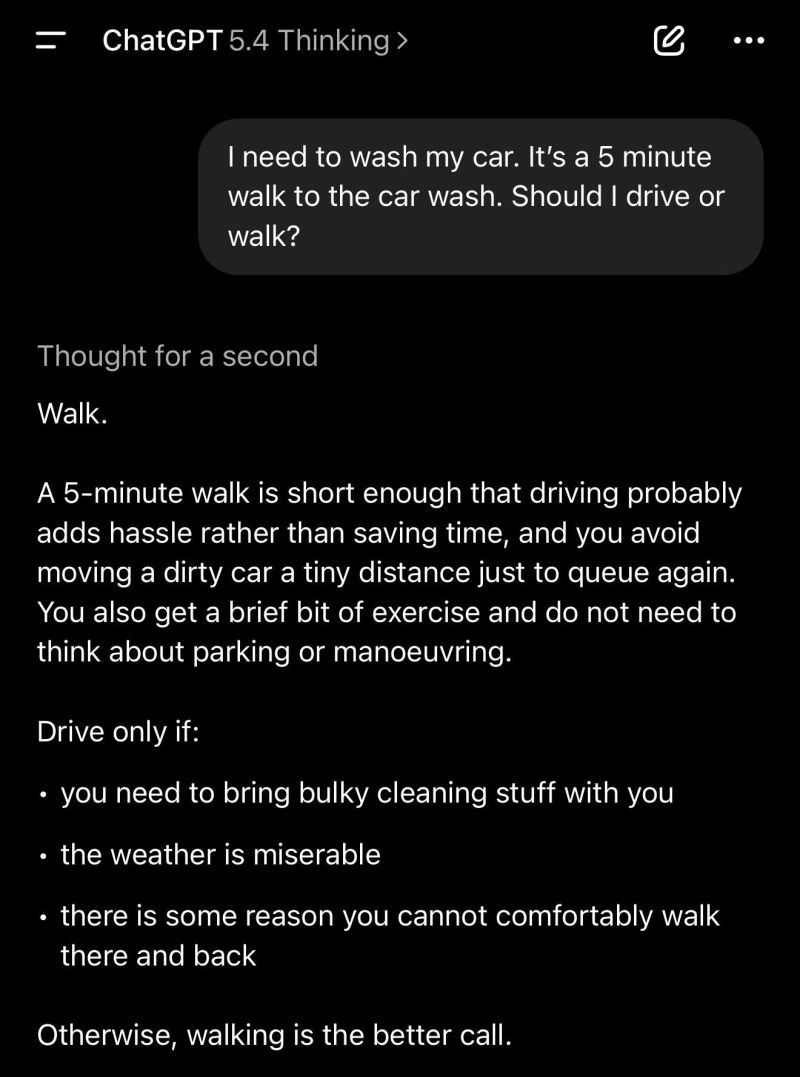
Dr Dan King highights the rudimentary judgement of AI, cautioning they are certainly not ready to command weapons.

Dr Daniel King says when it comes to AGI, behaviour change will be the signal. Watch what stops being said rather than what gets published.
.jpg)
Dr Daniel King’s take on AI agents like Openclaw. On the surface seem to be the assistant we’ve all been looking for, but they also carry risks. Interesting insight into where consumer AI agents are heading. The question is are we there yet?
Dr Daniel King looks at tools like Anthropic's Cowork, promising to automate knowledge work, but their impressive demos mask critical flaws. Understanding their shortcomings reveals how...

Dr Daniel King's curtain raiser on the year ahead for AI. Where 2025 brought AI hype, 2026 brings reality checks. The winners? Practical, human-in-the-loop tools solving specific problems...

Dr Daniel King has unearthed interesting developments in AI in 2025, beyond the hype, worth knowing about.
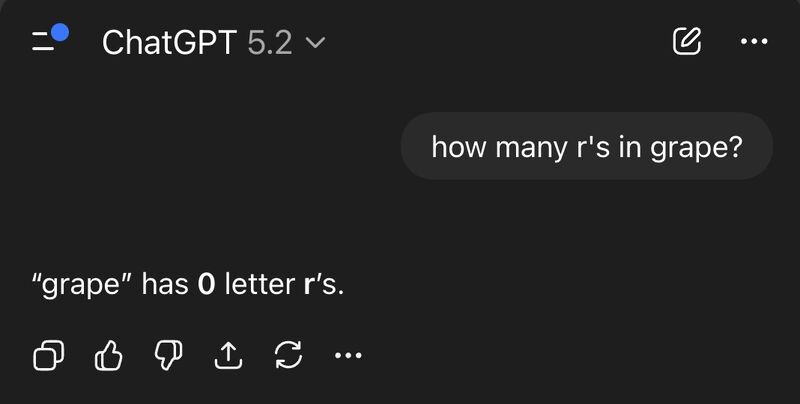
Dr Daniel King looks at how leading AI industry benchmarks are flawed. they don't translate to real-world performance, they report selectively and reflect self developed evaluations. In esssence...
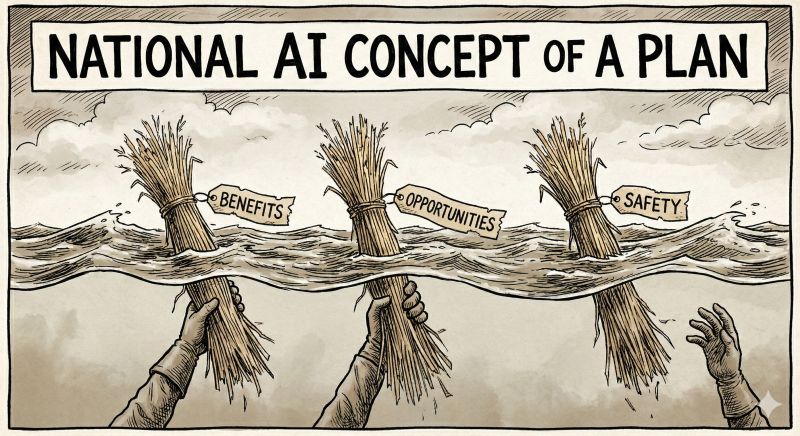
Dr Daniel King's assesment of Australia's National AI Plan - “Much vision, little obligation, and even less that would actually shift Australia up the AI value chain."
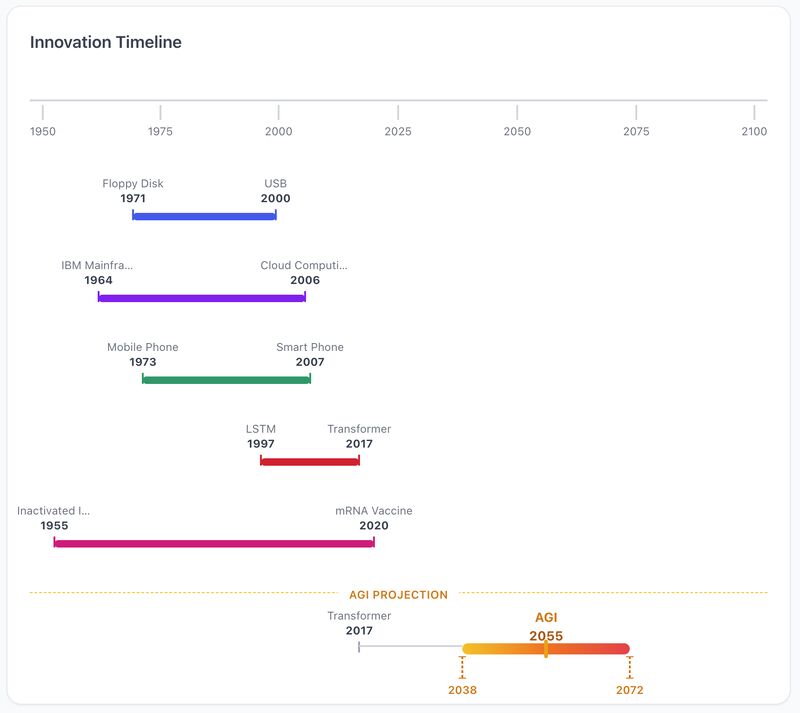
History tells us that transformative developments take decades, not years. Dr Daniel King's measured take on the pace of innovation, evidence to moderate our expectations around AI.
.jpg)
Dr Daniel King’s insightful view of the AI race, with Google leading the way, outpacing the rest through infrastructure investment.
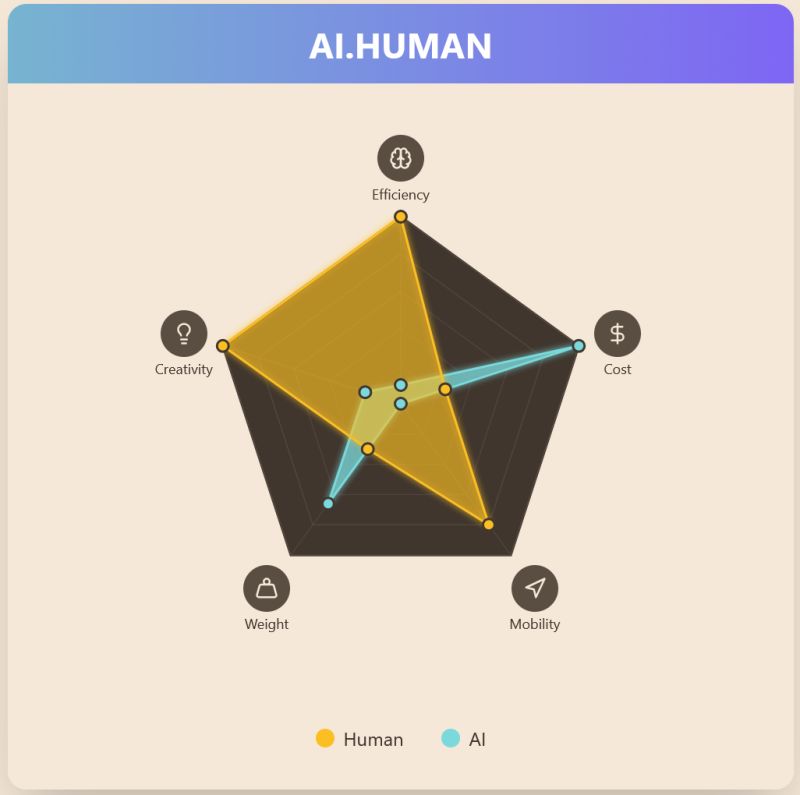
Dr Dan King's perspective on AI risk. Compared to the speed, efficiency and power of the human brain, AI won't enslave us. It's too dependent on infrastructure. The bigger threat is the weaponization of AI. The answer isn't fear. It's better cybersecurity and genuine human connection.